Pentesting as a Service (PTaaS)
Annual pentests mean 364 days without visibility into risks. With Warpnet PTaaS, you are protected every day.
Annual pentests mean 364 days without visibility into risks. With Warpnet PTaaS, you are protected every day.
DE UITDAGING
Hold irregular Pentests at the pace of your release cycle?
Does your time to market loop Speed up your security tests?
This is an incomplete sentence in Dutch. To provide a translation, I need the full sentence. However, "Wanneer was uw" translates to: "When was your" Security testing as fast as your development?
Do you still trust one-time snapshots in an IT environment that changes daily?
Cybercriminals don't wait for your next pentest. How regularly do you review your security??
DE OPLOSSING
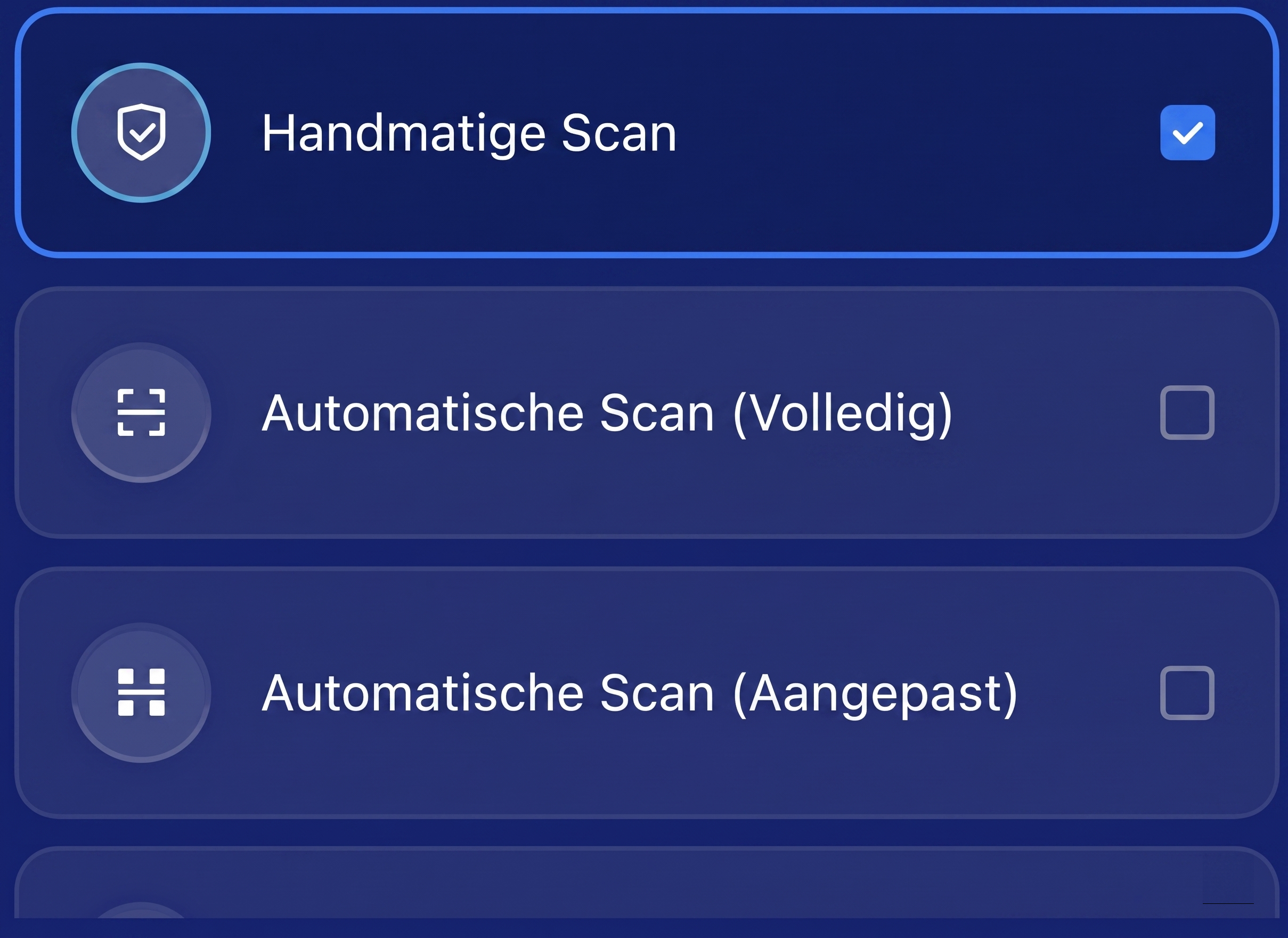
Test as often as needed—after every sprint, release, and update. No extra testing costs, no unnecessary delays in your planning.
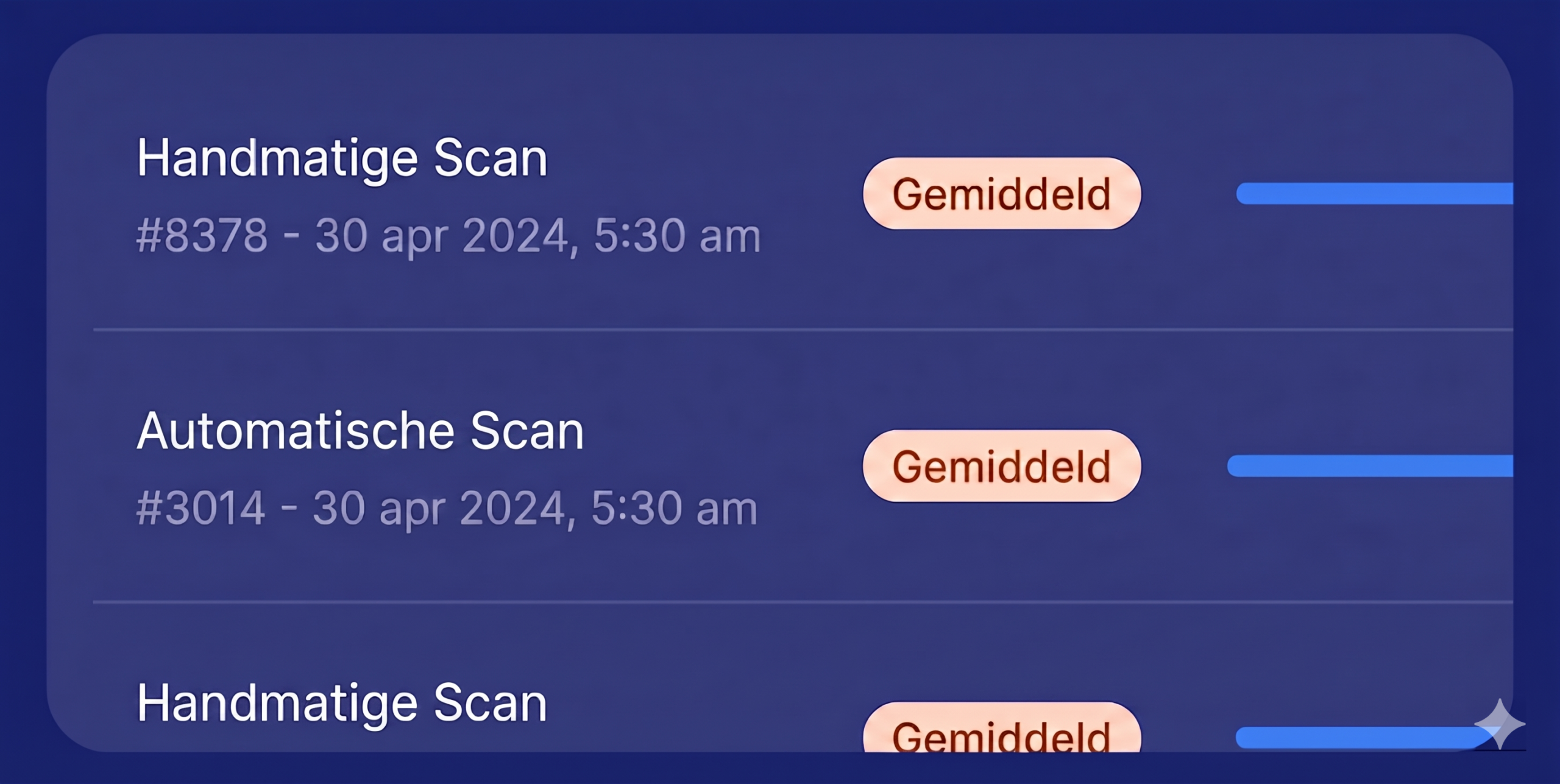
For every pentest, we utilize a combination of advanced AI and experienced security experts (OSCP, CEH, CCSP, etc.).
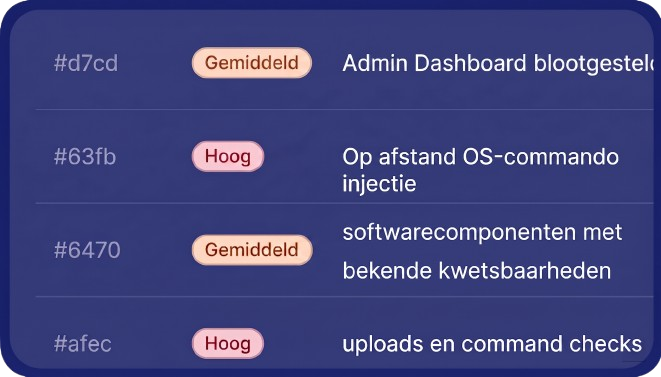
Our tools scan your code directly with every release. From the OWASP Top 10 to known CVEs and thousands of other vulnerabilities.
GitHub, GitLab, CircleCI, Azure, Jira, Slack. Wherever you work, our PTaaS experts adapt to your stack, not the other way around.

“The team was very helpful and met every deadline. They went above and beyond by expanding the scope of the test to address unexpected issues—even though they were not obligated to do so. A truly reliable and pleasant team to work with.”

“Warpnet approached the task very seriously and pulled out all the stops to make the test as realistic as possible. Through observation, they discovered how they could gain alternative access to our premises. In the course of this, they succeeded in placing a listening device on the network..”

“Warpnet's pen test provided us with a clear picture of the bottlenecks in our security so that we could improve it further. We immediately fixed the high-risk points in the week that followed. So we know that our residents and staff can live and work safely and that we comply with NEN 7510.”

“Without Warpnet, we would estimate needing at least two additional employees, and that would only be staff who can determine what needs to be resolved – without even addressing the actual fixing of problems.”
Warpnet's PTaaS covers all measures required to comply with cybersecurity standards and laws such as ISO 27001, GDPR, NIS2, NEN 7510, and PCI DSS. This allows you to continuously monitor risks and be always prepared for compliance audits.
HOE HET WERKT
Together, we'll determine your test scope, seamlessly integrate our services into your DevSecOps toolchain, and ensure our security specialists become familiar with your systems.
Using smart automation and manual OSINT, your attack surface is continuously monitored for new risks, updates, and emerging vulnerabilities.
Our penetration testers manually exploit discovered vulnerabilities — by combining weaknesses, escalating privileges, and demonstrating impact with tangible evidence.
Findings are immediately visible once confirmed—prioritized by risk and featuring screenshots, clear attack scenarios, and concrete remediation actions for your team.
Your team addresses vulnerabilities, we verify the results. You communicate directly with your dedicated specialist and can be sure that all risks have been effectively resolved.
New code rolled out? Update implemented? Easily start a new test when needed. Our services move with your release cycle — not the other way around.
FAQS
PTaaS kost doorgaans tussen €2.250 en €50.000, op basis van de testscope. Als de te testen omgeving kleinschaliger is, kan de prijs aan de lage kant van dat bereik liggen.
Een PTaaS-rapport bevat een overzicht van gevonden kwetsbaarheden, impactanalyses, prioritering (severity), en concrete aanbevelingen voor remediation. Vaak wordt dit aangevuld met real-time dashboards.
PTaaS wordt gebruikt voor het testen van nieuwe feature-releases, incrementele tests, het testen van microservices en nieuw vrijgegeven CVE’s of exploits. Kortom: alles waarbij snelle testcycli en korte doorlooptijden nodig zijn, is vaak een geschikte use case voor PTaaS.
PTaaS (Penetration Testing as a Service) is het continu opsporen van kwetsbaarheden binnen een bepaalde scope door menselijke expertise, geautomatiseerde tools en agile werkwijzen te combineren.
PTaaS brengt security engineers dichter bij het developmentteam en maakt het volledige pentestproces efficiënter, zowel qua tijd als kosten.
PTaaS draait volledig om het continu maken van pentesting en het dichter bij engineeringteams brengen ervan. Uiteindelijk helpt dit organisaties om de verschuiving te maken van DevOps naar DevSecOps. Traditionele pentesting volgt daarentegen de klassieke aanpak van incidentele pentests, die vaak tijdrovend zijn en meestal slechts één of een paar keer per jaar worden uitgevoerd.
